Smartwool garments need gentle handling to preserve natural fibers. Use cold, short cycles and mild detergent. Avoid bleach, fabric softeners, and high heat. After washing, lay flat to dry, never tumble. Store in a cool, dry place to maintain shape and moisture‑wicking properties. Keep items separate to avoid lint.
What is Smartwool Fabric?
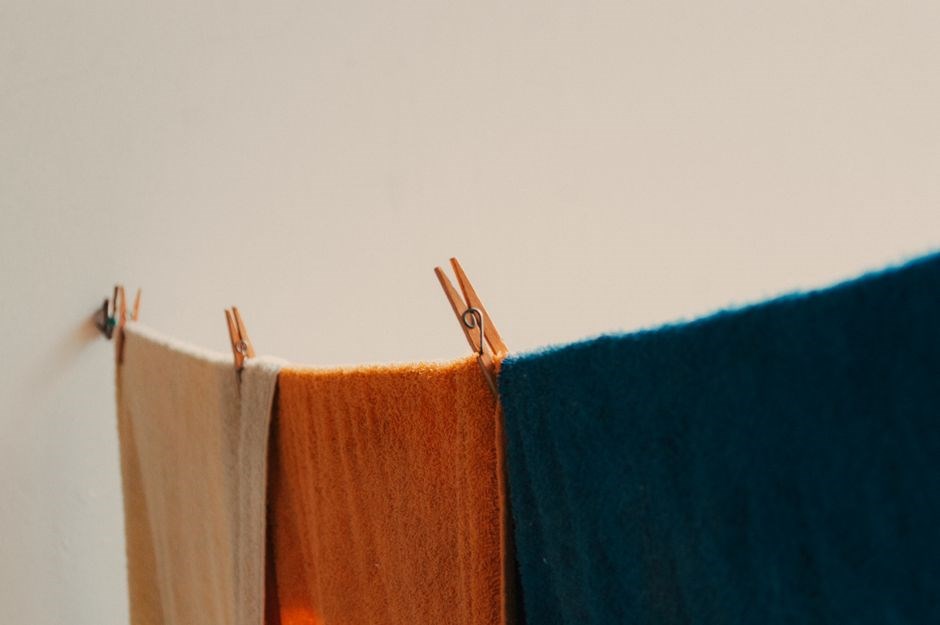
Smartwool fabric is a premium yarn made from Merino sheep wool, chosen for its fine diameter of 18–24 microns that delivers a soft, lightweight feel while retaining warmth and breathability. The fibers are meticulously processed to remove impurities, align strands, and reduce pilling, resulting in a smooth, durable finish that feels gentle against the skin. Smartwool’s natural elasticity allows garments to stretch and recover without losing shape, making them ideal for active wear, base layers, and everyday apparel. Its moisture‑wicking properties pull sweat away from the body, keeping the wearer dry and comfortable in a wide range of temperatures. Smartwool’s thermal regulation keeps you warm in cold conditions and cool in hot weather, making it suitable for hiking, skiing, running, and casual use. The company is committed to sustainability; it sources wool from humane farms, uses eco‑friendly dyes, and employs low‑impact manufacturing that reduces water and energy consumption; The result is a versatile, durable material that resists odor, dries quickly, and remains soft after repeated washing. Whether you’re tackling a mountain trail or navigating an office, Smartwool fabric offers performance, comfort, and environmental responsibility in one lightweight package. Its fibers retain their loft and even after repeated washes, ensuring lasting comfort!!
Use cold water and a gentle cycle, and skip fabric softener and bleach to protect the fibers.
After washing, lay garments flat to dry, tumble dry on low heat if the label allows. This keeps shape.
Regularly inspect for wear and replace as needed to keep gear at peak performance.
Finally, store Smartwool items in a bag or a drawer, avoiding plastic that can trap moisture. Use a clean bag dry drawer to avoid moisture buildup!
Why Proper Care Matters
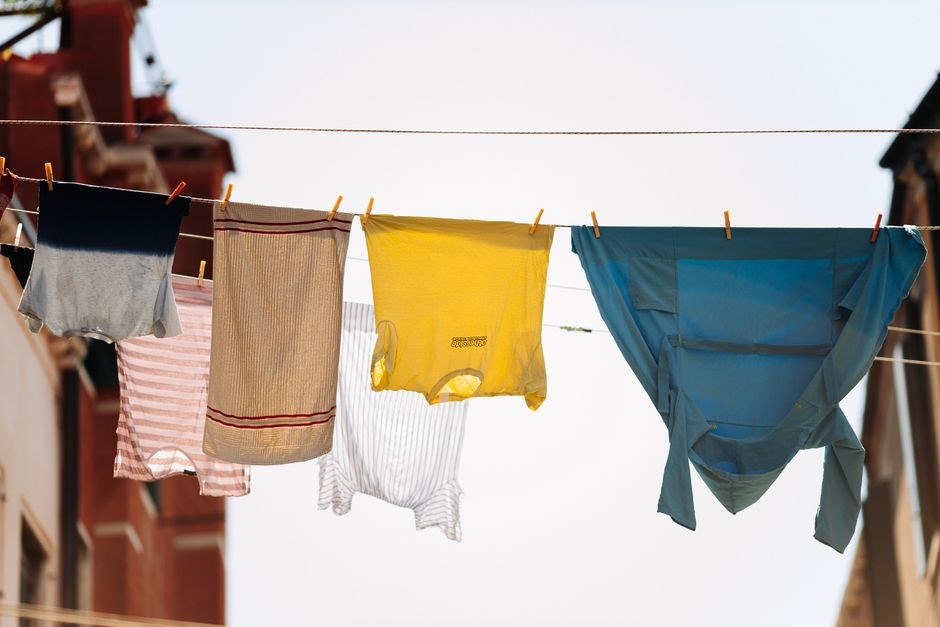
Read the garment’s care label before washing, never use hot water or high heat settings, as these can cause irreversible damage. If you notice any pilling or loss of loft, gently hand‑shake the fabric to restore its texture. For stubborn stains, pre‑treat with a mild enzyme cleaner before washing. Following these detailed steps, you ensure your Smartwool items remain soft, durable, and ready for any adventure, while contributing to a greener planet.
Washing Guidelines
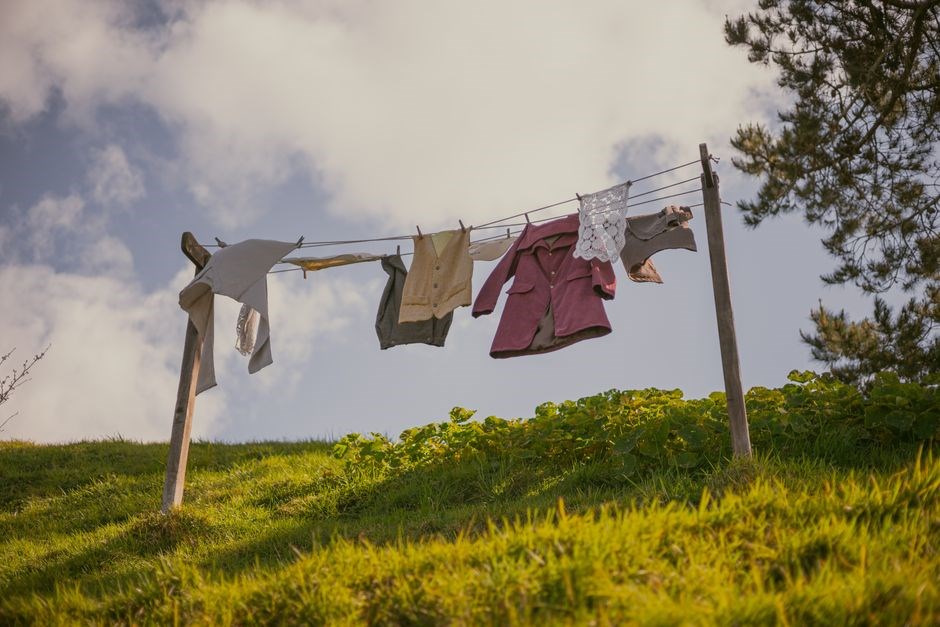
Use cold, gentle cycles and a mild, wool‑specific detergent. Avoid bleach, fabric softeners, and high heat. Wash in a mesh bag to protect fibers, then lay flat to air‑dry. Never tumble or dry‑clean, as heat can shrink or distort the natural fibers. Handle with care to preserve softness.
Machine Wash Settings
Smartwool’s merino fibers thrive when treated with a gentle machine wash routine. Begin by selecting a cold or lukewarm cycle—no more than 30 °C (86 °F)—to prevent shrinkage and preserve elasticity. Use the “wool” or “delicate” setting if your washer offers it; otherwise, choose a standard gentle cycle. Keep the load small; overloading can cause friction and pilling. Opt for a low spin speed—300–400 rpm—to reduce stress on the fibers. If your machine lacks a wool setting, add a wool‑friendly detergent, preferably a liquid that’s free of bleach, phosphates, and fabric softeners. Place garments in a mesh laundry bag to shield them from agitation and to keep them from tangling with other items. After the wash, remove promptly and lay flat on a clean towel to air‑dry. Avoid the dryer entirely, as heat can cause permanent shrinkage and damage the natural moisture‑wicking properties of merino wool. For best results, wash Smartwool items separately from heavy fabrics to avoid abrasion. If you live in a hard‑water area, consider adding a water softener tablet to the rinse cycle. Always read the garment label for any specific care notes; After drying, lightly shake the garment to restore loft and fold neatly to prevent creases. Store in a cool, dry place away from direct sunlight to maintain quality over time. Remember to rotate the garment’s sides during washing to ensure even wear, and always double‑check the care label for any special instructions such as “no tumble” or “hand wash only.” Always check for hidden tags that may indicate a special care requirement!!!
Hand Wash Tips
When hand‑washing Smartwool, begin by filling a basin with lukewarm water—no hotter than 30 °C (86 °F). Add a small amount of a wool‑specific detergent, mixing gently until fully dissolved. Submerge the garment and let it soak for 10–15 minutes; avoid vigorous agitation, which can cause felting. Gently squeeze the fabric, never wring or twist, to remove excess water. Rinse in clean, cool water, repeating until the water runs clear. To preserve the natural moisture‑wicking and anti‑odor properties, finish with a final rinse in cold water. After rinsing, lay the garment flat on a clean towel, roll it gently to absorb remaining moisture, and then unroll. Avoid stretching or pulling the fibers, as this can distort shape. Place the flat garment on a drying rack or a clean, dry surface, away from direct sunlight or heat sources. If you need to speed drying, use a fan or a low‑heat setting on a hair dryer, but keep it at least 30 cm away to prevent heat damage. Once dry, fluff the fibers by lightly brushing or shaking to restore loft. Store in a cool, dry place, preferably in a breathable cotton bag to allow airflow. For delicate items, consider using a mesh laundry bag during hand washing to protect against snagging. Always check the care label for any specific instructions, such as “no hot water” or “no bleach.” By following these steps, you’ll keep your Smartwool garments looking fresh, soft, and ready for your next adventure. If pilling occurs, hand‑pick fibers to restore softness. Keep dry now
Detergent Recommendations
Smartwool’s merino fibers are sensitive to harsh chemicals, so choosing the right detergent is essential. A mild, sulfate‑free formula that is specifically labeled “for wool” or “for natural fibers” preserves elasticity, maintains the fabric’s natural moisture‑wicking ability, and prevents pilling. Avoid bleach, fabric softeners, and high‑protein detergents, as they can damage the fibers and reduce breathability. For a more eco‑friendly choice, look for detergents that are plant‑based, biodegradable, and free of phosphates.
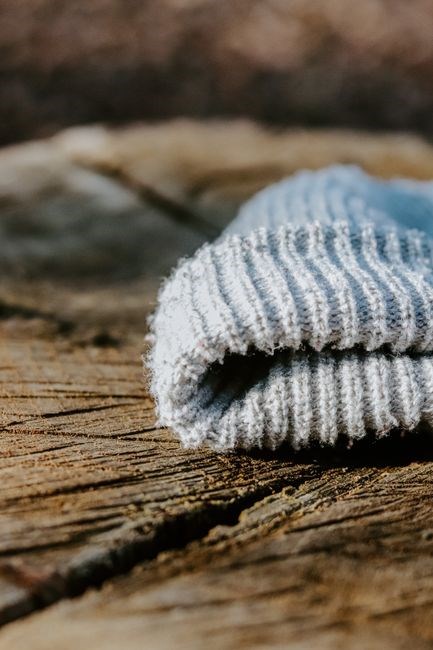
When washing in a machine, use the gentle or wool cycle, and add a small amount of detergent—no more than 1/4 teaspoon per load. This prevents residue and keeps the fibers loose. If you’re hand‑washing, a 1:10 dilution of detergent to water is sufficient. For a quick refresh, a rinse with plain water and a light spray of fabric conditioner designed for wool can help maintain softness, but only if the conditioner is free of alcohol and fragrance.
Smartwool’s own recommendation is to use a detergent with a neutral pH (around 7) to avoid acid‑induced fiber brittleness. Some users opt for a homemade solution: 1 tablespoon of liquid Castile soap per gallon of water, which is gentle and inexpensive. This mixture works well for light stains and everyday wear. For deep stains, a pre‑soak in a mixture of water and a small amount of enzyme‑based stain remover (safe for wool) can lift oil or food stains without damaging the fibers. After washing, rinse thoroughly to remove any detergent residue that could attract dirt in future wear. Always rinse the garment until the water runs clear, preventing any detergent residue that might attract dirt and compromise breathability.
Drying Instructions
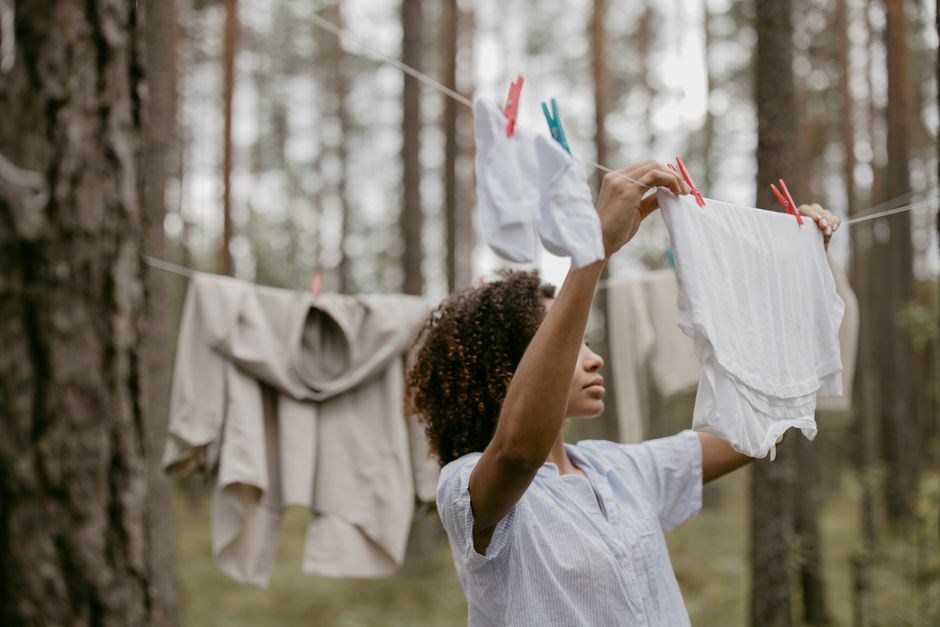
Smartwool should air‑dry flat, away from direct sun. Avoid tumble dryers; high heat shrinks fibers. If using a dryer, select low heat and remove promptly. Lay garments on a clean towel, reshape, and let them cool before storing.
Keep dry to prevent mildew
Keep garments drynow
Air Dry vs Tumble Dry
Air drying is the recommended approach for Smartwool apparel because it preserves the natural elasticity, moisture‑wicking ability of merino fibers. When you lay a garment flat on a clean, dry towel, the fibers can relax and return to their original shape without the mechanical stress of a tumble dryer. Direct sunlight should be avoided. Choose a shaded, well‑ventilated area to dry. Tumble drying, even on the lowest heat setting, can cause shrinkage, loss of loft, and a denser, less breathable material. The tumbling action compresses the fibers, and heat can break down the natural oils in merino wool, resulting in a rougher texture and reduced softness. A brief tumble cycle on the lowest heat setting may be acceptable, but it should be followed by an air‑dry to mitigate damage. When air drying, reshape the garment before it fully dries. Gently stretch the edges and smooth the fabric to maintain a consistent fit, especially for base layers and socks that rely on a snug, supportive fit. After drying, store the garment in a cool, dry place, away from direct sunlight or heat sources, to keep the fibers in optimal condition for future wear. If a dryer is needed, use the ‘delicate’ or ‘wool’ cycle on the lowest setting, run for a few minutes, then remove and lay flat to finish drying. Always check the care label for any specific drying instructions; manufacturers may recommend variations based on the garment’s blend or finish. Following these drying practices extends the life of your gear and keeps it fresh. This simple routine ensures your Smartwool stays soft and functional for years every season.
Temperature Settings
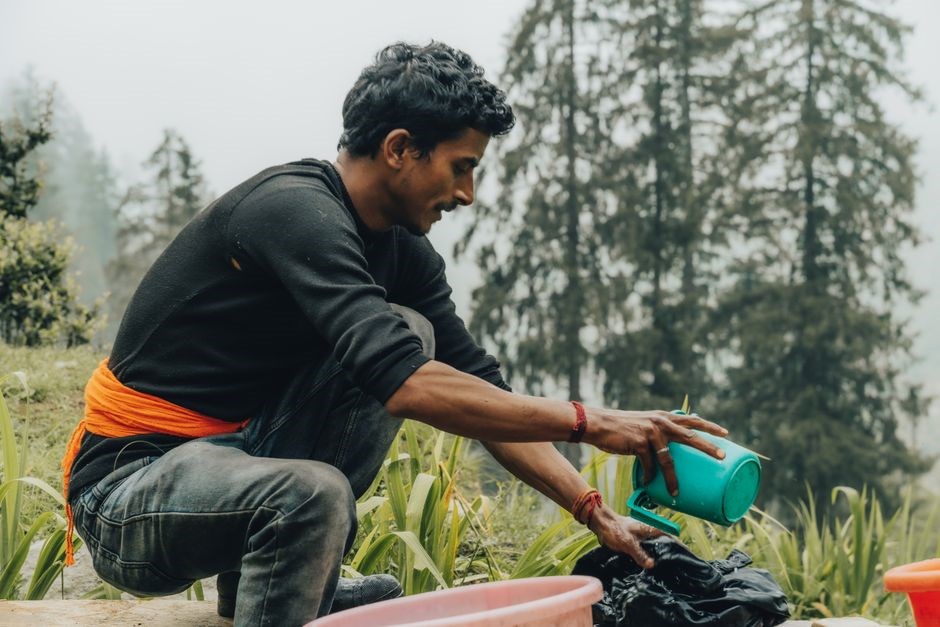
Smartwool’s merino fibers are engineered to perform when handled with care. Washing at 30°C (86°F) or lower is the standard recommendation; this range keeps the fibers from shrinking, maintains their elasticity, and preserves the moisture‑wicking properties that make merino effective. If you prefer a gentle hand wash, use lukewarm water that does not exceed 40°C (104°F). Hot water is a no‑go because it can cause felting, reduce softness, and accelerate wear. Always read the garment’s care label—some blends may allow higher temperatures, but the safest practice is to stay within cool range. This approach ensures longevity and maintains performance.
Consider overall cycle length and agitation intensity. A gentle cycle with spin reduces stress on the fibers. Always store Smartwool items in a cool, dry place away from sunlight, as prolonged exposure can fade colors and degrade fiber quality. By keeping washing and drying temperatures controlled, you extend the life of your Smartwool gear and keep it performing at its best for years to come. Use a gentle cycle and avoid high spin speeds to protect fiber integrity.
Consider cycle length and agitation intensity. A cycle with minimal spin reduces stress on the fibers. Always store Smartwool items in a cool, dry place away from direct sunlight, as prolonged exposure can fade colors and degrade fiber quality. By keeping washing and drying temperatures controlled, you extend the life of your Smartwool gear and keep it performing at its best for years to come!!
Stain Removal Techniques
For quick fixes, dab a mild detergent on the spot, let sit 10‑15 min, then rinse with cold water; For tougher stains, use a gentle stain remover designed for wool, apply lightly, and rinse. Avoid harsh chemicals, bleach, or hot water to preserve fiber integrity. Keep fabric soft.?
Common Stain Types
Smartwool’s merino fibers are delicate yet resilient, yet they can still attract everyday blemishes. The most frequent offenders include: coffee and tea, which seep into the fine fibers and leave a brownish tint; red wine, which can set quickly if not treated promptly; sweat and body oils that accumulate during long hikes; food stains such as tomato sauce, peanut butter, or chocolate; and dirt or mud from off‑trail adventures. Each type demands a specific approach. Coffee and tea stains are best tackled by rinsing with cold water and applying a gentle, wool‑safe detergent, then blotting with a clean cloth. Red wine requires a quick blot with a salt solution to absorb pigment before a mild detergent rinse. Sweat and body oils benefit from a soak in mild enzyme cleaner that targets protein residues. Food stains often need a targeted spot‑treat using a small amount of liquid detergent, gentle scrubbing. Mud and dirt should be brushed off first, then washed with a wool‑friendly detergent on a cold cycle. Avoid harsh chemicals, bleach, or high heat, as these can damage the natural elasticity and softness of merino fibers. By identifying the stain type and applying the correct method, you preserve Smartwool’s performance and extend its life. Remember that the best results come from treating stains immediately, using lukewarm water, and avoiding vigorous scrubbing that can damage merino fibers; instead, gently blot and rinse, then air‑dry flat to maintain shape and softness. Store Smartwool in a bag, avoid plastic that traps moisture daily. Store them in dry, breathable bag.
Effective Stain Treatments

When a Smartwool item encounters a stain, the first rule is to act quickly and use only wool‑safe products. Begin by blotting excess liquid with a clean, dry cloth—never rub, as friction can embed the stain deeper into the merino fibers. For protein‑based stains such as sweat or food, a short soak (5–10 minutes) in lukewarm water mixed with a tiny amount of an enzyme‑based, pH‑neutral detergent will break down the organic material without compromising the fabric’s elasticity; After soaking, rinse gently with cold water and apply a mild, fragrance‑free liquid detergent directly to the spot; let it sit for another 2–3 minutes before rinsing again. For oil‑based stains, a light dusting of baking soda followed by a gentle brush can absorb grease; then treat with a small amount of dish‑soap diluted in water, working from the outside in; Red wine and coffee stains respond well to a salt‑water solution: sprinkle coarse salt over the wet stain, let it sit for 10 minutes, then rinse with cold water. If the stain persists, repeat the salt rinse or use a commercial wool stain remover that contains no bleach or ammonia; After any spot treatment, avoid heat: air‑dry the garment flat, away from direct sunlight, and never tumble dry, as high temperatures can shrink or set the stain. Finally, once the garment is clean, store it in a breathable cotton bag or garment bag to keep fibers fresh and prevent future staining. Following these steps preserves the softness, warmth, and longevity of Smartwool products. Remember, always test a small hidden area first. Keep them fresh. daily.