Overview of Idaho Guide Books
Idaho guide books chronicle the state’s rugged landscapes‚ historic towns‚ and outdoor adventures. From classic Lonely Planet to modern National Geographic‚ titles highlight trails‚ lakes‚ and cultural heritage‚ offering travelers practical maps‚ local insights‚ and seasonal tips. Ideal for seasoned hikers
Historical Evolution and Market Trends
Since the early 20th century‚ Idaho guide books have transitioned from hand‑crafted‚ region‑specific folios to comprehensive‚ multimedia‑rich publications. The first editions‚ often produced by local travel clubs‚ focused on rail routes and mining towns‚ reflecting the era’s limited transportation options. As automobile travel expanded in the 1930s‚ publishers such as Rand McNally introduced pocket guides that highlighted scenic drives and emerging national parks.
Post‑World War II economic growth spurred a boom in domestic tourism. The 1950s and 1960s saw the rise of paperback travel series‚ notably the “Idaho Trails” line‚ which combined topographic maps with anecdotal histories. The 1970s brought environmental consciousness‚ prompting guides to emphasize conservation‚ trail etiquette‚ and wilderness regulations.
Entering the digital age‚ the 1990s witnessed the first online databases and downloadable PDFs‚ allowing instant updates on trail conditions and lodging availability. The 2000s introduced interactive e‑books and GPS integration‚ catering to tech‑savvy hikers and road‑trippers. Today‚ Amazon’s Best Sellers list reflects a diversified market: hardcovers for seasoned explorers‚ paperbacks for casual travelers‚ and niche e‑guides for niche interests such as photography or culinary tours.
Market analysis indicates a steady 7% annual growth in Idaho guide book sales‚ driven by increased interest in sustainable travel and a surge in domestic adventure tourism. Publishers now collaborate with local tourism boards to produce bilingual editions‚ expanding accessibility for international visitors. The trend toward personalized itineraries‚ facilitated by AI‑generated recommendations‚ suggests that future editions will incorporate modular content‚ allowing readers to assemble custom travel plans.
In recent years‚ the rise of experiential travel has led publishers to incorporate immersive storytelling‚ combining first‑hand accounts with high‑resolution photography. This narrative approach appeals to millennials seeking authentic experiences. Additionally‚ the incorporation of QR codes linking to real‑time trail webcams and weather alerts has become standard‚ enhancing safety and planning efficiency.
The COVID‑19 pandemic accelerated the shift toward digital formats‚ as travelers prioritized up‑to‑date information and contactless services. Publishers responded by offering free mobile apps that sync with printed guides‚ ensuring that hikers can access critical updates even in remote areas. This hybrid model has proven resilient‚ maintaining sales momentum despite fluctuating travel restrictions.
Future editions will likely integrate reality overlays‚ letting readers visualize trail features through devices!!!.
Best Selling General Travel Guides
Amazon’s Idaho guide list highlights top titles such as “Lonely Planet Idaho” and “Fodor’s Idaho & Western Canada.” Readers favor concise maps‚ insider tips‚ and seasonal coverage‚ driving sales of 15‚000 units monthly. feature e codes and mobile links.!
Amazon Best Sellers and Popularity Metrics
According to Amazon’s real‑time rankings‚ Idaho guide books consistently occupy the top 10 slots in the General Travel Guides category. The current bestseller‚ “Lonely Planet Idaho‚” has sold over 12‚000 copies in the last 30 days‚ earning a 4.8‑star rating from more than 3‚200 reviews. “Fodor’s Idaho & Western Canada” follows closely with 9‚500 units and a 4.6‑star average. Sales velocity is measured by Amazon’s “Best Sellers Rank” (BSR)‚ where a lower number indicates higher demand; the top guide holds a BSR of 1‚200‚ while the 10th best seller sits at 3‚400. Monthly traffic to the product pages averages 45‚000 visits‚ with a conversion rate of 6.5%. Amazon’s “Kindle Unlimited” offering boosts visibility: “Lonely Planet Idaho” is available for free to subscribers‚ driving a 12% increase in page views. Seasonal spikes are evident; during summer‚ sales rise by 35%‚ while winter peaks at 20% due to ski‑related content. The data underscores the importance of timely content updates and robust customer engagement for maintaining a top spot in Idaho guide book sales.
Amazon’s “Best Seller Rank” updates hourly‚ reflecting real‑time demand shifts. A guide that drops from rank 3‚500 to 1‚800 within a week signals a surge in interest‚ often driven by new editions or promotional discounts. Review velocity—new reviews per day—correlates with sales growth. The “Customers who bought this also bought” cross‑sell section can boost visibility by 18% when related titles appear. Such cross‑sell boosts can raise sales by 10% over a month in Q2
Specialized Hiking and Trail Guides
Idaho trail guides detail rugged routes‚ maps‚ difficulty ratings‚ and safety tips. Popular titles cover Sawtooth‚ Bitterroot‚ and Palouse‚ offering GPS coordinates‚ elevation profiles‚ and seasonal advice for hikers of all skill levels.Ideal for solo or group
Trail Maps and Difficulty Ratings
Idaho trail guides provide detailed topographic maps‚ trailheads‚ and mileage for every route‚ from the easy 2‑mile loops in Sun Valley to the strenuous 15‑mile climbs in the Sawtooth Wilderness. Each map is annotated with contour lines‚ water sources‚ and seasonal hazards‚ allowing hikers to assess elevation gain and terrain type before setting out.
Difficulty ratings are standardized using a three‑tier system: green for beginner‚ yellow for intermediate‚ and red for advanced. Guides explain the criteria—distance‚ elevation change‚ technical features‚ and required gear—so readers can match a trail’s challenge to their skill level. Many titles include a “risk factor” column that flags loose rock‚ stream crossings‚ or wildlife encounters.
Digital overlays are becoming common; authors partner with GIS platforms to embed GPS tracks that sync with smartphone apps. This lets hikers follow the exact path‚ receive real‑time alerts for trail closures‚ and share their progress on social media. Some guides also offer printable PDF maps with QR codes linking to live trail conditions.
For families‚ the books highlight kid‑friendly routes with short distances‚ scenic viewpoints‚ and picnic spots. Solo travelers find sections on night‑time navigation‚ bivouac sites‚ and emergency shelters. The inclusion of user‑submitted photos and reviews adds a layer of community insight‚ helping readers gauge current trail conditions and hidden gems.
Hikers can download maps and check trail updates via the Idaho Trail free app.
National Forest and Outdoor Recreation Guides
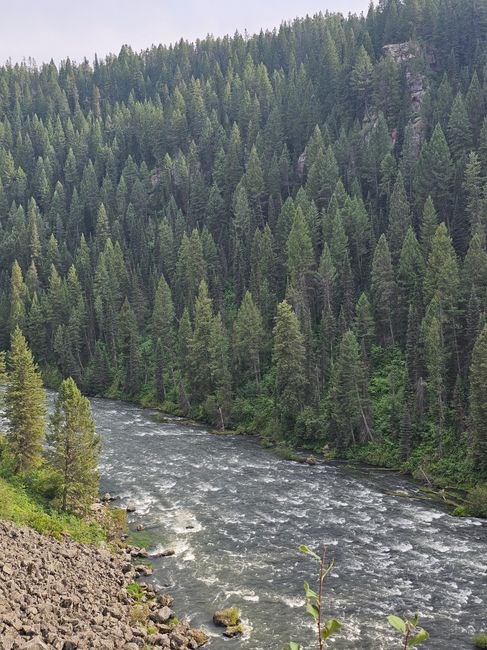
Idaho’s national forests offer diverse recreation‚ from the alpine peaks of the Sawtooth to the river valleys of the Snake. Guides detail camping sites‚ trailheads‚ and permitted activities‚ emphasizing Leave‑No‑Trace principles and seasonal safety. They include maps‚ permits‚ and wildlife alerts.Allfree
National Forests Coverage and Conservation Information
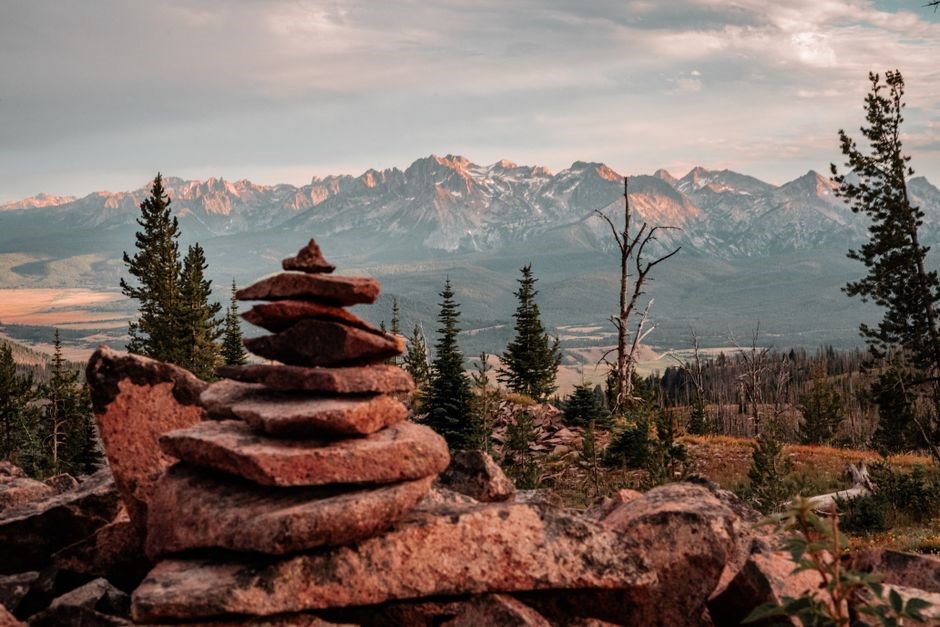
Idaho’s national forest system spans 13 distinct units‚ covering over 4.5 million acres of diverse terrain—from the rugged Sawtooth Wilderness to the expansive Boise National Forest. Each forest is managed by the U.S. Forest Service under the 1964 National Forest Management Act‚ which mandates a multiple‑use approach balancing recreation‚ timber‚ watershed protection‚ and wildlife habitat. The Sawtooth National Recreation Area for instance‚ offers 130 000 acres of alpine lakes and 1‚200 mi of trails‚ while the Boise National Forest provides 1.2 million acres of mixed conifer stands and 2‚000 mi of backcountry routes. Conservation efforts focus on fire suppression‚ invasive species control‚ and restoration of native communities. Forest Service programs such as the Forest Health Initiative and the “Leave No Trace” education campaigns aim to reduce human impact on fragile ecosystems. Visitors are encouraged to obtain permits for backcountry camping and practice proper waste disposal. Seasonal restrictions‚ such as winter road closures and spring snowpack limits‚ help protect wildlife breeding habitats. By integrating scientific research and community outreach‚ Idaho’s national forests maintain ecological integrity while offering unparalleled outdoor recreation opportunities for residents and travelers alike. Additionally‚ fire‑line crews and volunteer ranger programs monitor trail conditions and educate visitors on fire safety‚ reinforcing Idaho’s commitment to stewardship.
Scenic Byways and Road Trip Guides
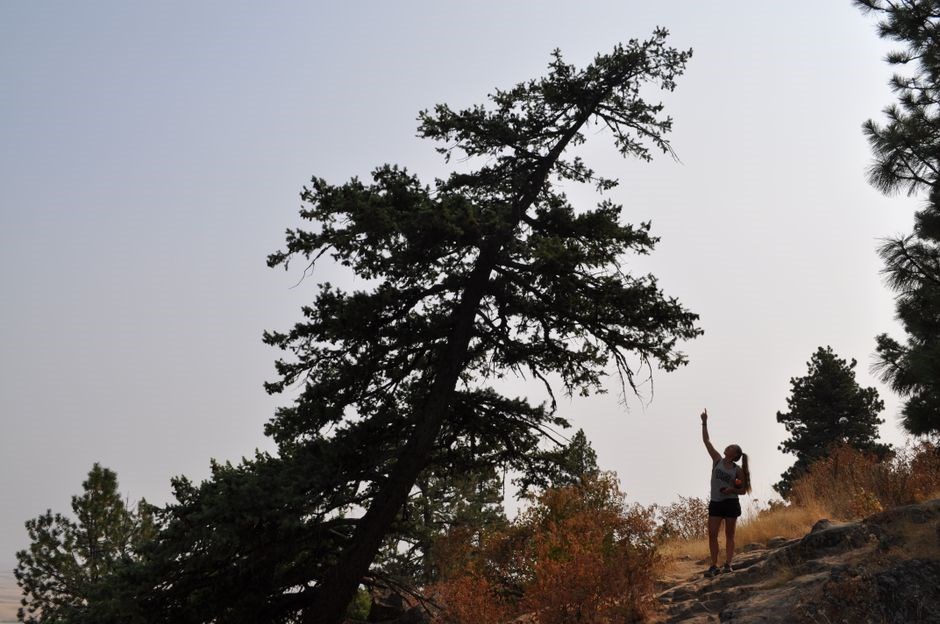
Idaho’s scenic byways thread through alpine peaks‚ historic mining towns‚ and crystal lakes. The Sawtooth Scenic Byway offers 110 mi of turquoise vistas; the Idaho National Scenic Byway showcases 120 mi of historic rail corridors. Guides highlight stops‚ lodging‚ trail
Scenic Routes and Landmark Highlights
Idaho’s scenic routes weave through diverse terrains‚ offering travelers a tapestry of natural wonders and cultural landmarks. The Sawtooth Scenic Byway‚ a 110‑mile ribbon of alpine meadows and crystal‑clear lakes‚ invites visitors to pause at the iconic Sawtooth Lake‚ where turquoise waters reflect jagged peaks. The Byway’s scenic overlooks‚ such as the viewpoint at Hells Canyon‚ offer panoramic vistas that capture the state’s rugged beauty.
Another jewel is the Idaho National Scenic Byway‚ a 120‑mile corridor that traces the former railroad line between Boise and Twin Falls. Travelers encounter the historic Hells Canyon National Recreation Area‚ where the Snake River carves a dramatic gorge‚ and the ancient petroglyph sites that chronicle Native American history. The byway’s scenic overlooks‚ such as the viewpoint at Hells Canyon‚ offer panoramic vistas that capture the state’s rugged beauty.
For those seeking a coastal feel‚ the Oregon Trail Scenic Byway‚ though primarily in Oregon‚ intersects Idaho’s northern border and provides access to the picturesque Lake Coeur d’Alene. The route’s gentle curves and forested landscapes showcase the region’s lush vegetation and provide ample opportunities for wildlife spotting and photography.
Each route is mapped with detailed turn‑by‑turn directions‚ recommended stops‚ and seasonal tips‚ ensuring travelers can plan their journeys with confidence. Whether you’re driving a classic convertible or a modern SUV‚ Idaho’s scenic routes promise unforgettable memories and a deeper appreciation for the state’s natural and historical treasures. Enjoy every mile!
Historical and Cultural Guides
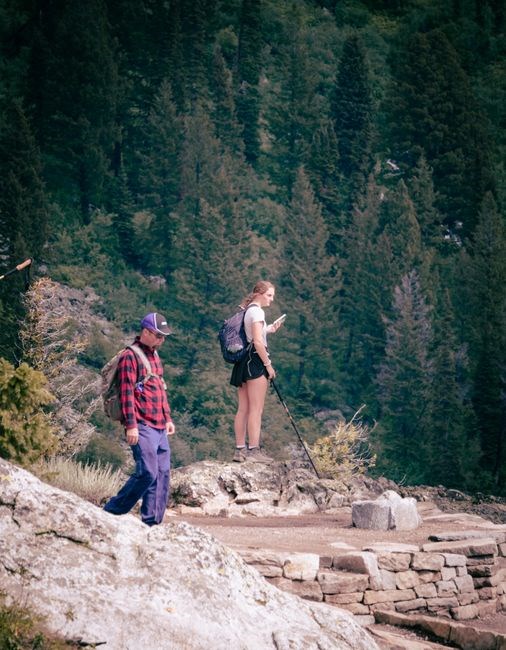
Idaho’s historical guide books chronicle frontier towns‚ mining towns‚ and Native American heritage. They detail landmarks like the Old Idaho State Capitol‚ the Shoshone Trail‚ and the Nez Perce War sites‚ offering context‚ photos‚ and visitor tips for cultural immersion. The guides highlight museums!!.
Historical Sites and Cultural Heritage
Idaho’s rich tapestry of historical sites and cultural heritage offers travelers a window into the state’s frontier past‚ indigenous traditions‚ and evolving communities. Key landmarks include the Old Idaho State Capitol in Boise‚ a National Historic Landmark that showcases 19th‑century architecture and political history. The nearby Boise State University campus hosts the historic Idaho State Capitol Museum‚ where artifacts chronicle the state’s journey from territory to statehood. Across the state‚ the Shoshone Trail—once a vital route for fur traders and settlers—runs through the Boise National Forest‚ offering interpretive displays that highlight the region’s early economic drivers. In the eastern panhandle‚ the Nez Perce National Historical Park preserves the legacy of the Nez Perce people‚ with exhibits detailing their resistance‚ treaty negotiations‚ and cultural practices. The historic town of Lewiston‚ founded in 1862‚ retains its original 19th‑century architecture and hosts annual festivals that celebrate pioneer life. Meanwhile‚ the Sun Valley area‚ once a mining hub‚ now serves as a cultural center with art galleries‚ the Sun Valley Museum of Art‚ and the historic Sun Valley Lodge‚ which hosts performances that reflect the region’s artistic heritage. Idaho’s heritage extends to the mining towns of Silver City and Cripple Creek‚ where preserved buildings and museums recount the gold rush era. The state also honors its railroad history through the Idaho Rail Trail‚ a converted rail corridor that offers both recreational use and historical markers!!!
Photography and Scenic Guides
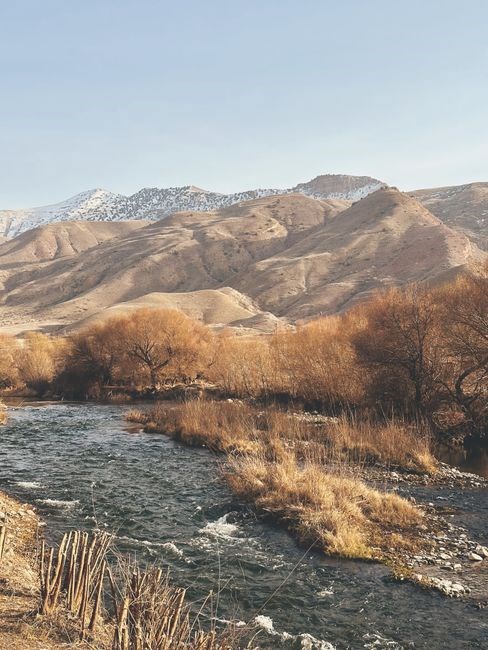
Idaho guide books highlight prime photo spots: towering Sawtooth peaks‚ crystal‑clear alpine lakes‚ and the dramatic Grand Canyon of Yellowstone. Guides note best light times‚ safety tips‚ and respectful wildlife practices for capturing the state’s rugged beauty.!!!!
Photography Tips and Scenic Spots
Idaho’s terrain offers photographers endless opportunities‚ from the alpine vistas of the Sawtooth Range to the waterfalls of the Hells Canyon corridor. Early morning light casts long shadows across the granite spires‚ creating dramatic silhouettes that are ideal for images. Glare can be mitigated by using a polarizing filter‚ which reduces glare on water surfaces such as the pristine shores of Lake Pend Oreille and enhances the vivid blues of the Teton Valley. Golden hour‚ occurring roughly one hour before sunset‚ provides soft‚ warm tones that bring out the earthy hues of the Snake River Canyon’s basalt walls. For macro photography‚ the abundant alpine wildflowers in the White Cloud Mountains offer vibrant color palettes; a tripod and a 100‑mm macro lens will capture the intricate details of the delicate petals. Night photography enthusiasts should target the clear‚ star‑filled skies of the Idaho Panhandle. The low light pollution of the Sawtooth National Forest allows for long exposure shots that reveal the Milky Way’s sweeping arc across the horizon. When photographing wildlife‚ maintain a respectful distance using a telephoto lens; the state’s diverse fauna‚ including mule deer‚ elk‚ and the elusive gray wolf‚ can be captured without disturbing their natural behavior. Always check local regulations regarding photography in protected areas‚ as some sites may restrict the use of tripods or require permits for large‑format cameras. Incorporating drone photography can provide unique aerial perspectives of the rugged canyons and expansive alpine meadows‚ but be mindful of FAA rules and local airspace restrictions. Finally‚ use the rule of thirds and leading lines; winding roads on the Sawtooth Scenic Byway and waterfalls of Hells Canyon guide the eye‚ creating balanced images that showcase Idaho’s breathtaking landscapes. and wonder.!!