Historical Context & Origins
Origins trace back to Arabic and Persian folklore, compiled between the 8th and 13th centuries․ Early versions circulated as manuscripts, later forming the famed collection․
The Frame Story: Scheherazade and Shahryar
King Shahryar, betrayed by his wife, vows to marry and execute a new bride each day․ Scheherazade, using storytelling, delays her fate and captivates the king․
Key Characteristics of the Tales
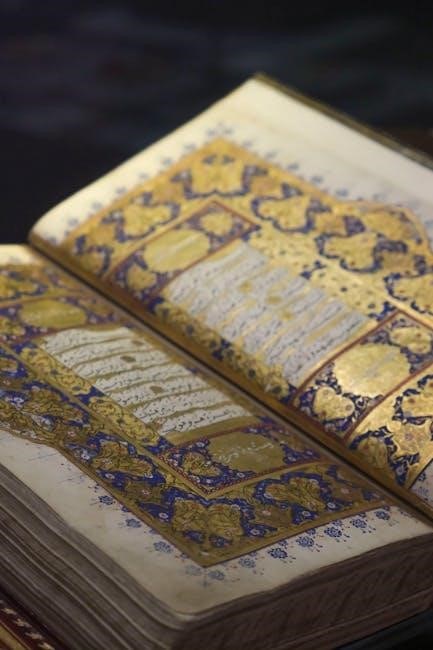
The tales within One Thousand and One Nights are remarkably diverse, showcasing a vibrant tapestry of genres and styles․ They seamlessly blend adventure, romance, humor, moral lessons, and fantastical elements, creating a uniquely engaging reading experience․ A prominent feature is the frequent use of elaborate descriptions, vividly portraying bustling marketplaces, opulent palaces, and exotic landscapes․
Character archetypes are common, including cunning heroes, beautiful princesses, treacherous villains, and wise advisors․ The stories often feature wish fulfillment, with characters rising from humble beginnings to achieve great wealth or power․ Furthermore, the tales are characterized by a cyclical narrative structure, with stories frequently interrupting and building upon one another․
Moral ambiguity is also present; characters aren’t always purely good or evil, reflecting the complexities of human nature․ Finally, the pervasive presence of fate and destiny shapes the characters’ journeys, highlighting the belief in a preordained path, even amidst free will and individual choices․
Narrative Structure: Tales Within Tales
A defining characteristic of One Thousand and One Nights is its intricate, layered narrative structure․ Scheherazade’s storytelling isn’t a linear progression but a series of tales embedded within one another, creating a complex web of interconnected narratives․ Each night, she begins a story, leaving it unfinished to pique the king’s curiosity and ensure her survival․
These stories, in turn, often contain further embedded narratives, told by characters within the main frame story․ This technique, known as a frame story or nested storytelling, creates a sense of endless possibility and allows for a vast range of themes and perspectives to be explored․ The interruptions and continuations build suspense and maintain the reader’s engagement․
This structure mirrors the oral tradition from which the tales originated, where stories were often extended and embellished over time․ Ultimately, the tales-within-tales format reflects a universe of infinite stories, constantly unfolding and revealing new layers of meaning․
Common Themes: Fate, Love, and Justice
Recurring themes permeate the stories of One Thousand and One Nights, offering insights into the values and beliefs of the cultures from which they originated․ Fate and destiny are powerful forces, often shaping the lives of characters, though individuals frequently attempt to circumvent or understand their preordained paths․
Love appears in diverse forms – passionate romance, familial devotion, and even tragic obsession – often intertwined with themes of loss and longing․ Justice, or the lack thereof, is a central concern, with tales exploring the consequences of tyranny, corruption, and the pursuit of fairness․
Moral lessons are subtly woven throughout, examining the complexities of human behavior and the importance of compassion, wisdom, and integrity․ The interplay between these themes creates a rich tapestry of human experience, reflecting universal concerns about life, death, and the search for meaning․ Ultimately, the tales invite contemplation on the nature of existence itself․
Magical Realism & Supernatural Elements
Djinn, magic carpets, and enchanted objects are commonplace․ Supernatural occurrences blend seamlessly with reality, creating a wondrous and fantastical atmosphere throughout the tales․
Notable Stories & Characters
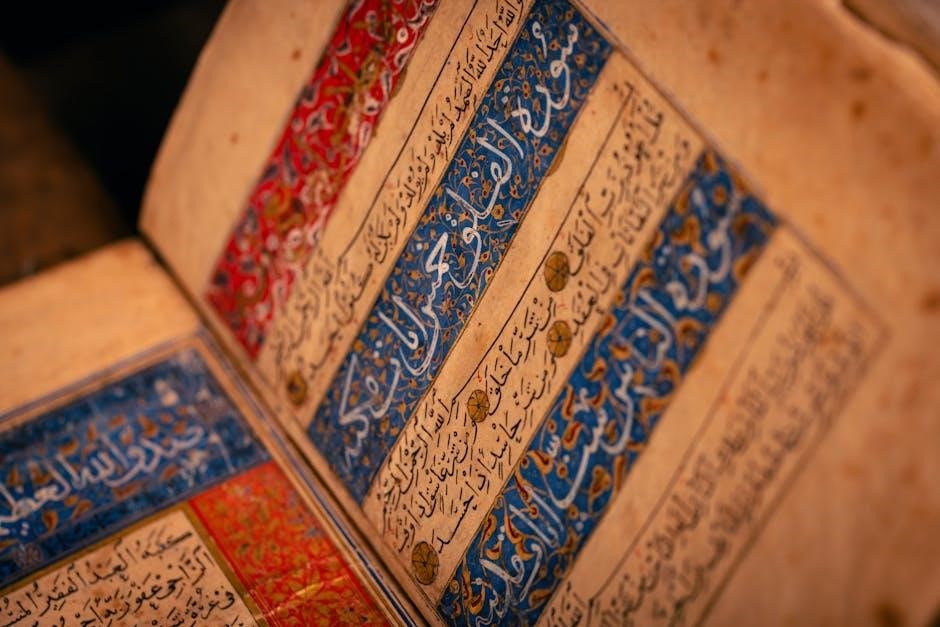
The collection boasts a vibrant cast and enduring narratives․ Aladdin, a poor youth, discovers a magical lamp and a powerful genie, transforming his life․ Ali Baba stumbles upon a secret cave filled with treasure, guarded by forty thieves, testing his wit and courage․
Sinbad the Sailor embarks on seven incredible voyages, encountering mythical creatures and perilous adventures across uncharted seas․ Scheherazade, the intelligent and resourceful storyteller, captivates the king with her nightly tales․
Characters like the cunning vizier, Ja’far, and the mischievous ghoul also populate these stories․ These tales aren’t merely adventures; they explore themes of ambition, greed, loyalty, and the power of storytelling itself․ Each narrative offers unique insights into the world of the One Thousand and One Nights, showcasing its rich imagination and cultural depth․ The enduring popularity of these characters speaks to their universal appeal and timeless relevance․
Aladdin and His Wonderful Lamp
Aladdin, a poor and idle youth in China, is tricked by a sorcerer into retrieving a magical lamp from a booby-trapped cave․ Unbeknownst to the sorcerer, the lamp houses a powerful genie capable of granting wishes․ Aladdin accidentally rubs the lamp, freeing the genie and gaining immense power․

He uses his wishes to become wealthy and win the hand of Princess Badroulbadour․ However, the sorcerer returns, seeking to reclaim the lamp and control Aladdin’s fortune․ A fierce struggle ensues, filled with magical duels and clever schemes․
Aladdin, with the genie’s help and his own resourcefulness, ultimately defeats the sorcerer, securing his happiness and position․ The story explores themes of ambition, social mobility, and the corrupting influence of power․ It remains one of the most beloved and recognizable tales from the One Thousand and One Nights, celebrated for its fantastical elements and moral lessons․
Ali Baba and the Forty Thieves
Ali Baba, a humble woodcutter, stumbles upon the secret cave of forty thieves, discovering their hidden treasure․ He learns the magic words – “Open Sesame!” – to access the cave, cautiously taking only a small amount of gold to improve his family’s fortunes․
However, his brother, Cassim, driven by greed, attempts to raid the cave himself but forgets the magic words and is trapped․ The thieves, upon discovering the breach, vow revenge on anyone who knows their secret;
Morgiana, Ali Baba’s clever slave girl, overhears their plot and skillfully thwarts their attempts to kill Ali Baba, using her wit and courage․ She ultimately defeats the thieves, securing Ali Baba’s wealth and safety․ The tale highlights the dangers of greed, the importance of loyalty, and the power of intelligence in overcoming adversity, becoming a cornerstone of the One Thousand and One Nights․
Sinbad the Sailor: A Voyage of Discovery
Sinbad’s seven voyages detail incredible adventures – monstrous creatures, exotic islands, and perilous storms․ Each journey tests his resilience, showcasing bravery and resourcefulness․
Cultural Significance & Influence
The One Thousand and One Nights profoundly reflects the vibrant tapestry of Arabian culture and society during its formative period․ The tales offer glimpses into the daily lives, beliefs, social hierarchies, and mercantile practices of the medieval Islamic world, spanning from Baghdad to Cairo and beyond․ Stories showcase bustling marketplaces, opulent courts, and the importance of honor, hospitality, and religious devotion․
Furthermore, the collection’s influence on Western literature and art is undeniable․ From the Romantic movement, which embraced its exoticism and fantastical elements, to later authors inspired by its narrative structures and character archetypes, the Nights have left an indelible mark․ Artists have visualized its scenes, composers have drawn inspiration from its melodies, and filmmakers have adapted its stories for the screen․
Crucially, the enduring power of the Nights lies in its roots in oral tradition․ Passed down through generations by storytellers, the tales were fluid and adaptable, evolving with each retelling․ This oral heritage contributes to the richness and complexity of the collection, ensuring its continued relevance and appeal across cultures and time․
Arabian Culture & Society Reflected
The tales vividly portray the societal structures of the medieval Islamic world, showcasing a hierarchical system with caliphs, viziers, merchants, and commoners․ Family dynamics, particularly the roles of women – often powerful yet constrained – are frequently explored․ Concepts of honor (‘irf) and hospitality (diyafa) are central, dictating social interactions and moral codes․
Economic life is richly depicted, with detailed descriptions of trade routes, bustling bazaars, and the importance of commerce․ Stories reveal a sophisticated understanding of mathematics, astronomy, and medicine, reflecting the Golden Age of Islam’s intellectual achievements․ Religious beliefs, primarily Islamic but with traces of pre-Islamic traditions, permeate the narratives, influencing characters’ actions and worldview․
Moreover, the collection offers insights into legal practices, forms of entertainment like poetry and music, and the prevalence of slavery․ Through these diverse portrayals, the Nights provide a nuanced and captivating window into the cultural and social fabric of the Arabian Peninsula and beyond, offering invaluable historical context․
Impact on Western Literature & Art
The One Thousand and One Nights profoundly impacted Western imagination, beginning with Antoine Galland’s influential 18th-century translation․ Romantic and Victorian writers, like John Payne and Richard Burton, further popularized the tales, inspiring works across genres․
Authors such as Edgar Allan Poe, Jules Verne, and H․P․ Lovecraft drew inspiration from the collection’s exotic settings, fantastical creatures, and narrative structures․ Orientalism, though often problematic, flourished, influencing artistic depictions of the “East․” Visual artists, including Eugène Delacroix and Jean-Léon Gérôme, created paintings based on scenes from the stories, solidifying their visual iconography․
The influence extends to modern literature and film, with echoes found in fantasy, adventure, and even psychological thrillers․ Recurring motifs – flying carpets, genies, and hidden treasures – have become ingrained in Western popular culture․ Ultimately, the Nights provided a rich source of inspiration, shaping Western artistic and literary landscapes for centuries․
The Role of Oral Tradition
Initially spread through oral storytelling, the tales evolved with each retelling․ Variations arose, reflecting diverse cultural influences and regional adaptations before written compilation․
Translations & Editions
Early translations, like those by Antoine Galland in the 18th century, were pivotal but often heavily adapted, incorporating material not found in the Arabic manuscripts․ Galland’s version, based on several sources including a Syrian manuscript, became hugely popular in Europe, shaping Western perceptions of the tales․ However, it included additions from other sources, blurring the lines of authenticity․
Later, more scholarly translations emerged, striving for greater fidelity to the original Arabic texts․ Richard Burton’s nine-volume translation (1885-1888) is renowned for its completeness and detailed notes, though its Victorian prose can be challenging for modern readers․
Modern translations, such as those by Malcolm Lyons and Ursula Lyons, and more recently by Husain Haddawy, prioritize readability and accuracy․ Digital editions and PDF formats have significantly increased accessibility, allowing wider audiences to engage with the stories․ These editions often include comparative notes, highlighting variations between different manuscripts and translations, offering a richer understanding of the text’s complex history․
Early Translations & Their Challenges
Antoine Galland’s 1704-1717 translation into French was the first to introduce the One Thousand and One Nights to a European audience, but it wasn’t a direct translation․ He utilized a Syrian manuscript, supplemented by oral tales he collected, resulting in significant additions not present in core Arabic versions․ This created a hybrid text, influencing perceptions of the ‘original’․
Subsequent English translations, often based on Galland’s French version, perpetuated these inaccuracies․ Translators faced difficulties with cultural nuances, poetic language, and the sheer length of the work․ Victorian sensibilities also led to censorship and alterations, sanitizing certain stories for a more conservative readership․
The availability of manuscripts was limited, and textual criticism was in its infancy․ PDF versions of these early translations, while accessible today, reflect these historical biases and should be approached with awareness of their interpretive layers․ Establishing a definitive text proved incredibly complex, and early translators often prioritized narrative flow over strict fidelity․
Modern Translations & Accessibility
Recent translations prioritize accuracy and cultural context․ Digital formats, like PDFs, enhance accessibility, offering diverse editions and scholarly notes to a wider readership․
Criticism & Interpretation
Critical analysis of One Thousand and One Nights has evolved significantly․ Early Western interpretations often exoticized the tales, viewing them through a colonial lens, emphasizing the “otherness” of Arab culture․ However, modern scholarship offers more nuanced perspectives․
Postcolonial critics examine how the stories reflect power dynamics and resistance to imperial influence, questioning the authenticity of translations and the impact of Western editing․ They explore themes of subjugation and liberation embedded within the narratives․
Feminist readings center on Scheherazade’s agency, debating whether her storytelling is a subversive act of empowerment or a performance of compliance․ Some argue she challenges patriarchal structures, while others see her as perpetuating them․ The availability of PDF versions allows for wider access to these diverse critical viewpoints, fostering ongoing debate and re-evaluation of this complex literary work․ The text’s enduring appeal lies in its capacity for multiple interpretations․
Postcolonial Readings of the Text
Postcolonial analysis reveals One Thousand and One Nights as a site of cultural negotiation․ Early translations, often heavily edited, served colonial agendas, presenting a filtered and often distorted view of Arab societies․ Scholars now examine how the tales subtly resist colonial narratives, showcasing indigenous knowledge and challenging Western dominance․
The stories’ depiction of rulers, merchants, and everyday life offers insights into pre-colonial power structures and social norms․ Critical perspectives highlight the anxieties surrounding trade, empire, and cultural exchange․ The PDF format facilitates access to original Arabic texts and comparative analyses of different translations, enabling readers to deconstruct colonial biases․
Themes of captivity, freedom, and justice are re-examined through a postcolonial lens, revealing critiques of imperial power․ The tales’ enduring popularity, even in translated forms, speaks to their ability to resonate with audiences grappling with legacies of colonialism and ongoing struggles for self-determination․
Feminist Perspectives on Scheherazade
Feminist scholarship reinterprets Scheherazade not merely as a passive storyteller, but as a shrewd strategist employing narrative to survive and subvert patriarchal power․ Her tales become acts of resistance against Shahryar’s misogyny and violence, delaying her execution through the power of storytelling․ Access to the text, particularly via PDF versions, allows for close readings of her agency within the frame narrative․
Critical analyses explore how Scheherazade’s narratives often center female characters, offering glimpses into their lives, desires, and struggles within a restrictive social context․ The tales challenge simplistic notions of female victimhood, showcasing women’s intelligence, resourcefulness, and capacity for both good and evil․
Modern interpretations question whether Scheherazade ultimately reinforces patriarchal structures by accepting her role as a perpetual storyteller․ However, her enduring legacy as a symbol of female wit and resilience continues to inspire feminist readings and reinterpretations of One Thousand and One Nights․